Easy Smoked Tri Tip: Simple Steps for a Show-Stopping Roast
Are you looking to impress your guests without spending all day slaving over the grill? The smoked tri tip is your secret weapon. This often-overlooked cut of beef, when treated to the magic of the smoker, transforms into a deliciously tender, incredibly flavorful roast with a stunning bark that will make it the centerpiece of any gathering. Forget complicated techniques; this guide walks you through the simple steps to achieve a mouthwatering, show-stopping tender smoked tri tip every time.
What is Tri Tip, and Why Smoke It?
The tri tip, sometimes known as a "Santa Maria steak" or "bottom sirloin butt," is a triangular-shaped cut of beef from the lower sirloin. It's leaner than some other roasts but boasts a rich, beefy flavor that truly shines when cooked properly. Historically, it was a California barbecue staple, but its popularity has spread due to its versatility and fantastic taste. While it can be grilled over direct heat, smoking it "low and slow" unlocks an unparalleled tenderness and infuses it with deep, complex smoke flavor that grilling simply can't achieve as effectively.
Smoking allows the connective tissues to slowly break down, resulting in incredibly juicy meat that's pink from edge to edge. Plus, the indirect heat cooking method is surprisingly forgiving, making it an excellent choice for both novice and experienced pitmasters alike. When you want a meal that delivers big on flavor and presentation without being overly complicated, an easy smoked tri tip is the answer.
Prepping Your Tri Tip for Perfection
Achieving the best results with your smoked tri tip starts with proper preparation. While the tri tip is a relatively lean cut, it often comes with a cap of fat and some silver skin that benefits from a quick trim. The silver skin, a thin, shimmering membrane, won't render down during cooking and can make the roast tough if left on. Using a sharp boning knife, carefully slide it under the silver skin and gently separate it from the meat. You don't need to remove all the fat cap; a thin layer can help with moisture and flavor, but trim off any excessively thick or hard fat.
Once trimmed, it's time for the rub. The beauty of tri tip is that it doesn't need a complex array of spices to taste phenomenal. A simple yet effective rub allows the inherent beefy flavor to shine through, complemented by the smoke. For a classic, delicious crust and rich flavor, you'll want to use a combination of:
- Olive Oil: A light coating helps the seasoning adhere to the meat and contributes to a nice bark.
- Coarse Salt: Enhances flavor and helps draw moisture to the surface, aiding in bark formation.
- Freshly Ground Black Pepper: Provides a pungent, earthy kick that's essential for a good steak.
- Garlic Powder: Adds a savory, aromatic depth that pairs perfectly with beef.
Liberally apply the olive oil, then sprinkle the salt, pepper, and garlic powder over the entire surface of the tri tip. Don't be shy – a good coating is key for that flavorful crust! For an extra layer of flavor, consider allowing the seasoned roast to sit in the refrigerator for at least an hour, or even overnight, to let the rub penetrate deeper.
The Low and Slow Smoking Process
The heart of a truly tender smoked tri tip lies in the "low and slow" cooking method. This technique ensures the meat cooks evenly, remains juicy, and develops that signature smoky flavor. A pellet smoker is an excellent tool for this, offering precise temperature control and consistent smoke production. Set your smoker to a temperature between 225°F and 250°F.
For wood selection, red oak is a classic choice that imparts a robust, beef-friendly smoke, but other hardwoods like hickory, pecan, or even fruit woods like apple or cherry can also deliver fantastic results depending on your preference. Consider placing a water pan in your smoker; this helps to stabilize the temperature, adds moisture to the cooking environment, and aids in smoke infusion, preventing the meat from drying out.
Place the seasoned tri tip directly on the grates, ensuring good air circulation around it. Now, patience is a virtue. The cooking time will vary depending on the size and thickness of your roast, but typically a 2-pound tri tip will take anywhere from 60 to 90 minutes. The most crucial tool you'll use during this phase is a reliable meat thermometer. You're aiming for an internal temperature of 125°F to 130°F for a perfect medium-rare before the final sear. Monitoring the internal temperature closely is paramount to avoid overcooking this lean cut.
For more in-depth knowledge on perfecting this crucial smoking phase, you might find our article Unlock Tender Smoked Tri Tip: Low & Slow Secrets Revealed incredibly helpful.
Achieving That Perfect Crust: The Reverse Sear
While low and slow smoking infuses incredible flavor and tenderness, it won't give you that desirable, crispy bark. That's where the reverse sear comes in. Once your smoked tri tip reaches its target internal temperature (125-130°F), remove it from the smoker and let it rest loosely tented with foil for about 10-15 minutes. This brief rest allows the smoker's temperature to climb, or for you to prepare a hot searing surface.
Now, crank up your smoker to its highest setting (around 450-500°F) or preheat a cast iron skillet over high heat. For an extra touch of richness and to enhance the crust, consider basting the tri tip with butter during this high-heat finish. Place the tri tip directly over the high heat or into the searing hot pan for 2-4 minutes per side, rotating it to get an even crust. You're looking for a beautiful, dark brown exterior – that's your bark developing!
During the sear, keep an eye on the internal temperature. You want to pull the roast off the heat when it reaches your desired final doneness, usually around 130°F to 135°F for medium-rare, or 135°F to 140°F for medium. Remember, the temperature will continue to rise a few degrees during the final rest, so pull it slightly before your ultimate target. This searing step is critical for developing incredible texture and an irresistible flavor profile. Dive deeper into perfecting this step with our guide: Achieve Perfect Crust & Smoky Flavor: Smoked Tri Tip Guide.
The Final, Crucial Steps: Rest and Slice
You've done the hard work, but there are two final, non-negotiable steps to ensure maximum tenderness and juiciness in your smoked tri tip. First, rest the roast. After the sear, transfer the tri tip to a cutting board, tent it loosely with foil, and let it rest for at least 10-15 minutes. This allows the juices, which have been pushed to the center by the heat, to redistribute throughout the meat. Skipping this step will result in a dry, less flavorful roast as all those precious juices will spill out onto your cutting board.
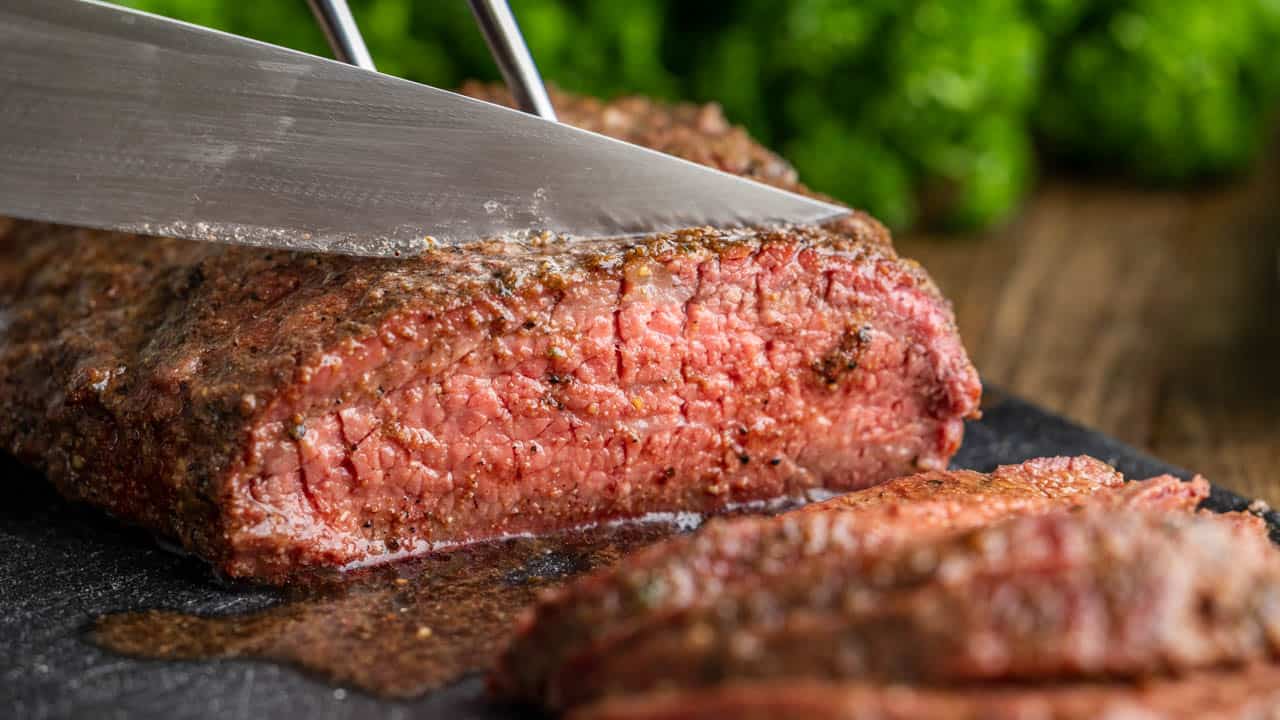
Second, and equally important, is slicing against the grain. Tri tip is unique because its grain runs in two different directions, generally meeting at an angle near the center. To achieve truly tender slices, you must identify these two grain patterns and slice perpendicularly to them. Slicing against the grain shortens the muscle fibers, making each bite incredibly tender and easy to chew. Use a sharp knife to cut thin slices, no more than a quarter-inch thick. Serving it thin also makes for excellent presentation.
Conclusion
Mastering the easy smoked tri tip is a rewarding culinary journey that transforms a humble cut into a magnificent feast. By following these simple steps���from proper trimming and seasoning to the low-and-slow smoke, high-heat sear, and crucial resting and slicing—you'll consistently achieve a tender, juicy roast bursting with smoky flavor and a perfect crust. Whether it's for backyard cookouts, game-day parties, or even delicious weeknight leftovers, this show-stopping centerpiece is guaranteed to impress. Fire up your smoker and prepare for rave reviews!
